
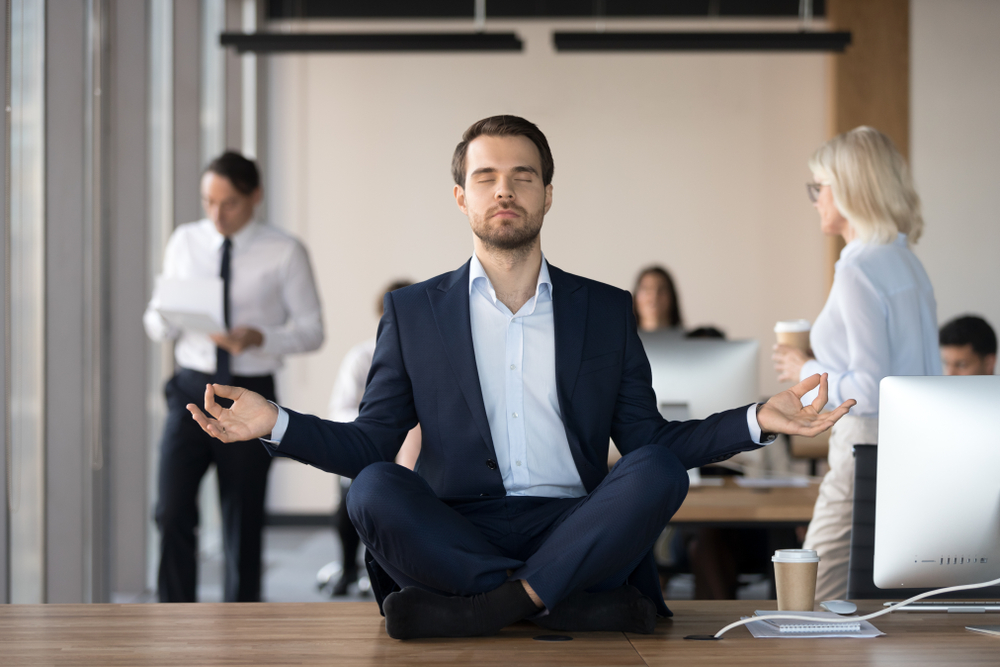
Exercise is good for stress. Mindfulness is good for stress. But their combination — moving the body with attentive, present-moment awareness — produces something greater than the sum of its parts. Whether through yoga, tai chi, mindful walking, or even deliberately attentive swimming, this integration of physical movement and contemplative awareness addresses stress through multiple physiological and psychological pathways simultaneously.
The stress-reducing effect of exercise is well-established. Physical movement triggers the release of endorphins, which produce feelings of euphoria and pain relief. It also reduces cortisol, the primary stress hormone, and increases brain-derived neurotrophic factor (BDNF), which supports neuronal growth, particularly in the hippocampus — a brain region critical for emotional regulation and resilience. Regular aerobic exercise has been shown to reduce symptoms of anxiety and depression comparably to medication in multiple clinical studies.
Mindfulness adds a distinct dimension. By training attention to rest in the present moment — the breath, the sensation of movement, the environment — mindfulness practice decouples the mind from its habitual rumination about past regrets and future anxieties. This interruption of the default mode network (the brain's "background chatter") provides the nervous system with genuine rest, distinct from the biological rest of sleep. Regular mindfulness practice measurably reduces activity in the amygdala, the brain's threat-detection center, and strengthens connections between the prefrontal cortex and limbic system — improving emotional regulation.
When movement and mindfulness combine, the benefits intertwine. A practitioner of mindful yoga, for instance, simultaneously receives the physiological benefits of physical stretching and strengthening, the cardiovascular benefits of movement, the attentional training of mindfulness, and the social-spiritual benefits of a shared practice tradition. The breath, which anchors mindfulness practice, also regulates the autonomic nervous system directly through the vagus nerve — slowing heart rate, reducing blood pressure, and signaling safety to the body.
You don't need to attend a yoga studio to access these benefits. The principle can be applied to any movement: walking while attending carefully to the sensation of each footfall, the temperature of the air, the sounds of the environment. Swimming with awareness of the water's resistance and the rhythm of breathing. Even strength training performed with full attention on muscular sensation rather than distraction. Movement plus presence equals a powerful antidote to modern stress.