
Your environment shapes your nervous system far more than most people realize. The stimulation of modern interiors — the blue light of multiple screens, the visual noise of clutter, the acoustic intrusion of traffic and notifications, the temperature dysregulation of poor ventilation — all contribute to a chronic low-level activation of the stress response. Creating a living environment that instead signals safety, calm, and sufficiency to the nervous system is one of the most impactful and underutilized wellness interventions available.
Light is arguably the most powerful environmental signal the brain receives. Natural daylight suppresses melatonin production and elevates cortisol during morning hours — appropriate biological responses that support alertness. In the evening, blue-spectrum light (emitted by phones, tablets, and LED lighting) mimics daylight and disrupts the brain's preparation for sleep. Designing your space to maximize natural light during the day and transition to warm, dim lighting in the evening — through lamps, candles, or blue-light filters — dramatically improves both sleep quality and daytime mood.
Sound environment is equally significant. Research consistently shows that ambient noise, particularly unpredictable and uncontrollable sounds, activates the amygdala and sustains low-level stress arousal. Creating quiet zones in your home — even imperfect ones — through acoustic panels, rugs, heavy curtains, or deliberate white noise can measurably reduce cognitive load. For those who cannot control external noise, high-quality earplugs or noise-canceling headphones provide meaningful relief.
Clutter warrants its own consideration. Studies using fMRI imaging have shown that visual clutter competes for attention in the brain's visual cortex, increasing cognitive load and reducing the capacity to focus. A simplified visual environment reduces this competition, leaving more attentional resources available for deliberate thought and emotional processing. This doesn't require minimalism — it requires intentional curation: keeping only what is used, loved, or genuinely beautiful, and giving everything a designated home.
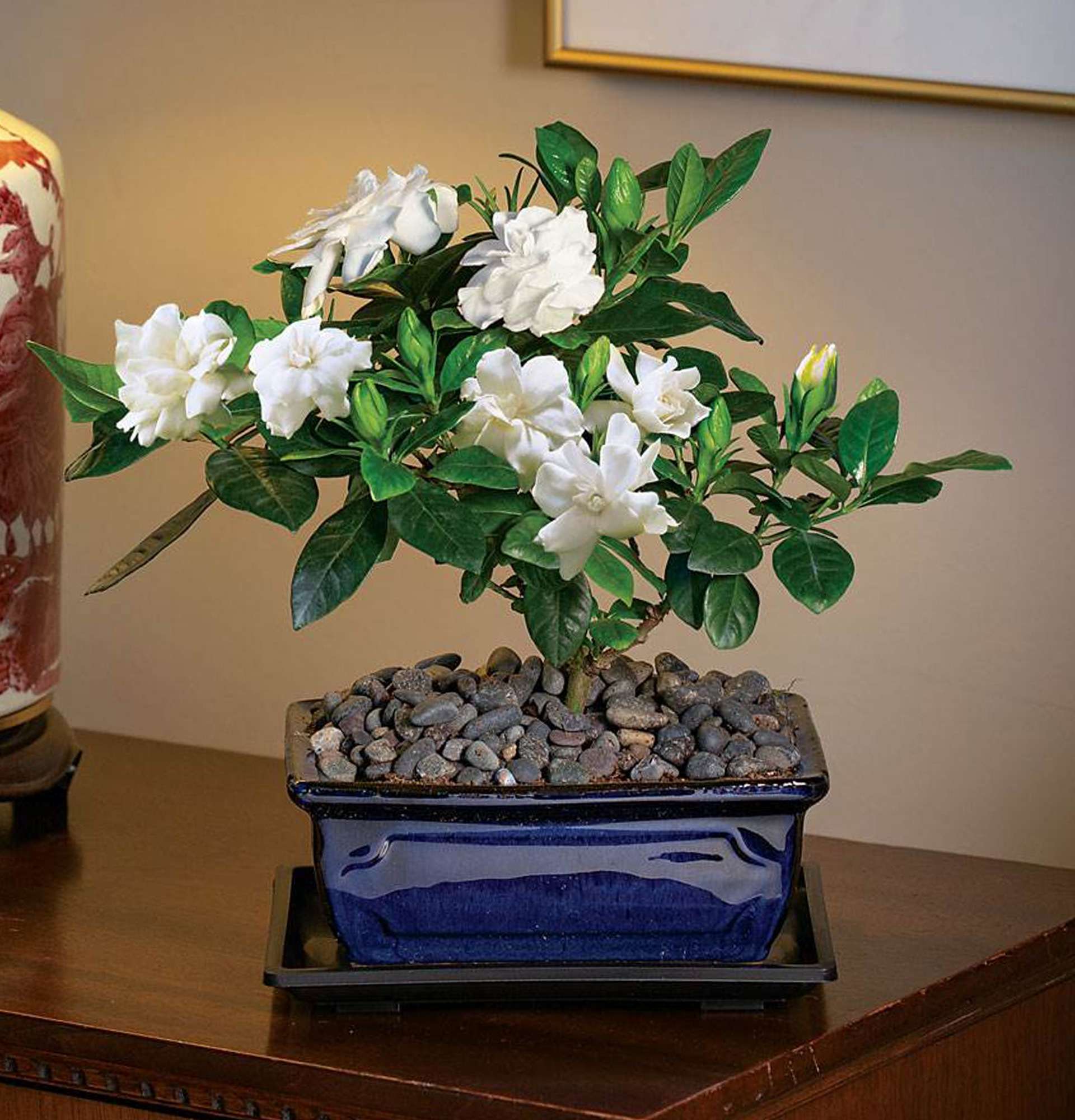
Nature connection is the final and perhaps most human of environmental needs. Research from environmental psychology consistently shows that exposure to plants, natural materials, flowing water, and views of nature reduces physiological stress markers — heart rate, cortisol, skin conductance — and improves mood and restoration. Even a single potted plant on a desk meaningfully improves the measured well-being of office workers. Bringing nature indoors, or ensuring regular access to outdoor green space, is a form of self-care supported by substantial evidence.